
September marks the transition from summer to autumn in the garden. There are still plenty of flowers to enjoy and crops to harvest, but cooler nights mean it’s time to start preparing the garden for the months ahead. From planting spring-flowering bulbs and autumn bedding to collecting seeds, pruning and protecting tender plants, there are plenty of jobs to keep gardeners busy.
Harvest fruit and vegetables
September is one of the most productive months in the vegetable garden. Continue harvesting crops regularly while they’re at their best, and don’t leave ripe produce sitting on plants unnecessarily.
Pick apples and pears carefully when they are ready, and store sound fruit somewhere cool and dry. Damaged or bruised fruit is best used promptly rather than stored. Continue picking runner beans and courgettes regularly. Leaving mature pods or oversized courgettes on the plant can reduce the production of new crops.
Plant spring-flowering bulbs
September is an excellent time to start planting spring-flowering bulbs. Getting them into the ground during autumn gives them time to establish roots before winter.
Consider planting:
Plant bulbs in borders, lawns, rockeries and containers. For a natural-looking display, plant groups of bulbs rather than placing them individually. As a general rule, bulbs should be planted at around two to three times their own depth, although you should always follow the instructions supplied with the particular bulbs. Autumn is recommended as the main planting period for spring-flowering bulbs. Crocuses are particularly useful for naturalising in grass or planting towards the front of borders, while tulips can create spectacular displays in containers and beds.
Add autumn colour
Don’t let the garden become dull as summer flowers begin to fade. Autumn bedding plants can provide colour in containers, window boxes, hanging baskets and borders.
Good choices include:
- Violas
- Pansies
- Bellis
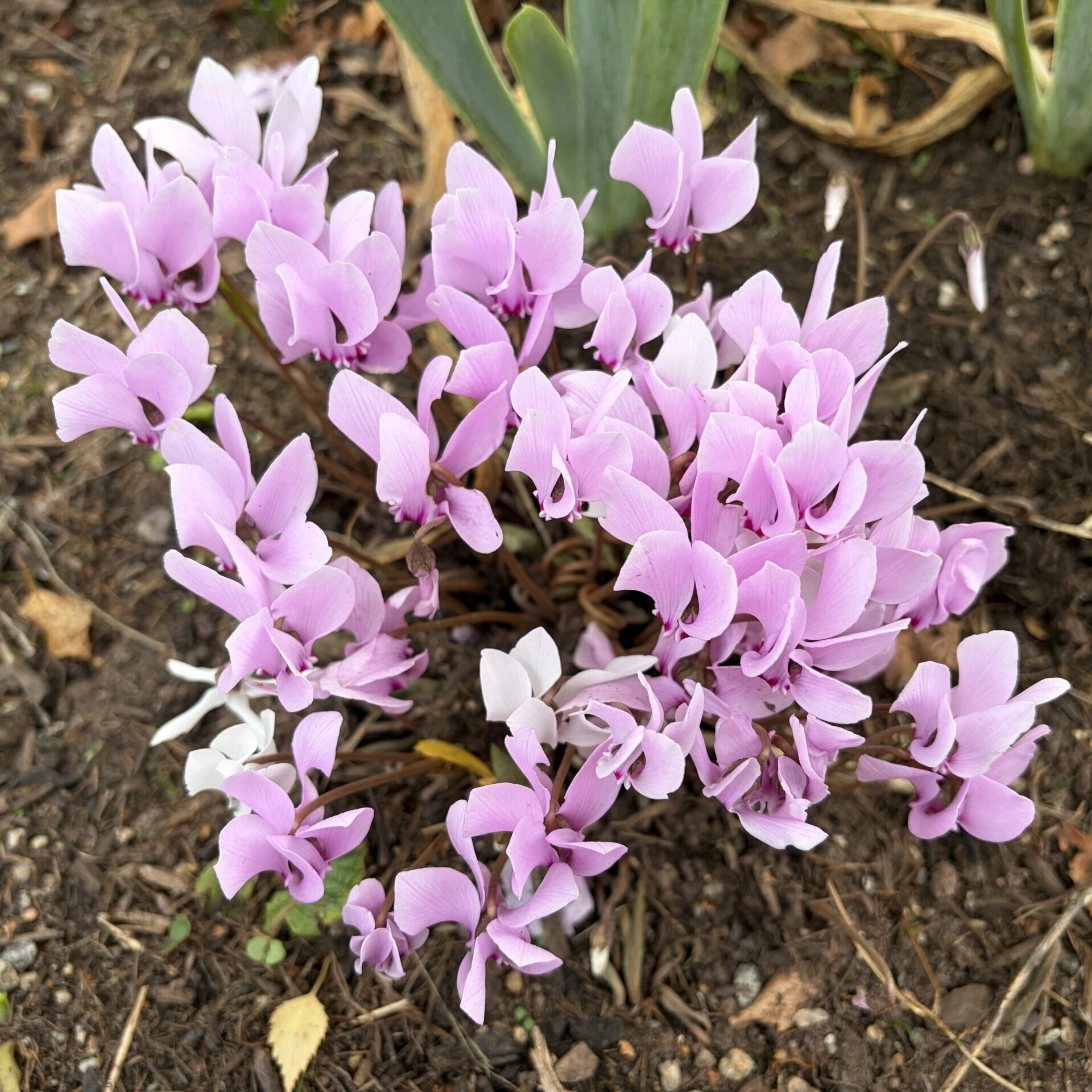
- Cyclamen
- Wallflowers
- Polyanthus
- Primroses
- Ornamental kale
These plants can provide colour through autumn and, in many cases, continue looking good into winter and early spring. We currently have a range of autumn-winter-bedding suitable for extending seasonal displays.
Keep deadheading
Although the days are getting shorter, many plants are still flowering in September.
Continue deadheading roses, dahlias, salvias, penstemons and other summer-flowering plants to prolong the display. Some plants can be left to produce seed heads instead. These can provide food for birds and give borders useful structure during autumn and winter.
Water newly planted plants
September can bring cooler weather and more rain, but don’t assume every plant has enough water.
Newly planted trees, shrubs and perennials still need watering while their roots establish, particularly if September is warm and dry. Water thoroughly rather than giving plants frequent light sprinklings. Container-grown plants will also need checking regularly because compost can dry out surprisingly quickly.
Collect seeds
September is a good time to collect seeds from many established plants.
Choose healthy plants and allow seed heads to mature before collecting them. Store dry seeds in labelled paper envelopes somewhere cool and dry. Collecting your own seed can be an inexpensive way of producing more plants for next year, although remember that plants grown from collected seed may not always be identical to the parent plant.
Divide overcrowded perennials
Early autumn can be a good time to divide established hardy perennials that have become overcrowded.
Dividing plants can rejuvenate tired-looking clumps, produce additional plants and help prevent overcrowding. Lift the plant carefully, divide the rootball or crown into healthy sections and replant them promptly. Water thoroughly afterwards. Avoid dividing plants that are still flowering heavily or those that don’t respond well to disturbance.
Look after dahlias
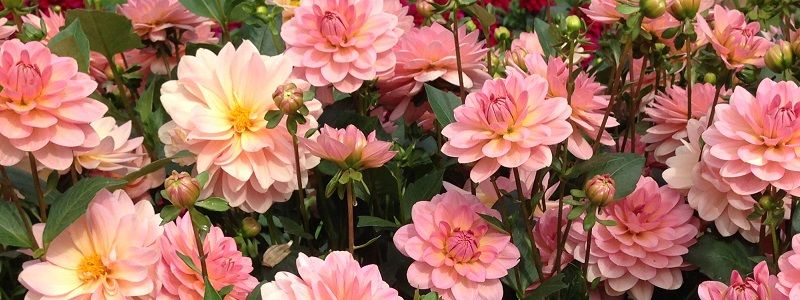
Dahlias can continue flowering spectacularly throughout September, especially if faded flowers are removed regularly.
Keep deadheading and feeding flowering plants if necessary, and support tall varieties so that autumn winds don’t damage them. In colder parts of the UK, you’ll eventually need to decide whether to lift and store dahlia tubers or leave them in the ground with suitable winter protection. Don’t rush this job while the plants are still flowering.
Care for roses
Roses can continue flowering well into September.
Remove faded blooms and keep an eye out for black spot, aphids and other common problems. Remove badly affected leaves and clear fallen foliage from around plants. Avoid excessive feeding late in the season, as you don’t want to encourage lots of soft new growth just as colder weather approaches.
Look after the lawn
September is an excellent month for lawn care. The combination of cooler temperatures, autumn rain and still-warm soil creates good conditions for grass growth. Depending on the condition of your lawn, September is a good time to:
- Mow regularly
- Scarify to remove thatch
- Aerate compacted areas
- Reseed bare patches
- Apply an appropriate autumn lawn feed
Don’t cut the grass excessively short. A slightly higher mowing height can help the lawn cope with changing autumn conditions.
Clear fallen leaves
Leaves will begin accumulating as autumn approaches.
Don’t allow thick layers of leaves to remain on lawns because they can block light and encourage moss and other problems. Rake leaves from lawns regularly and use healthy fallen leaves to make leaf mould. It’s an excellent way to turn garden waste into a useful soil improver. Leaves can also be left beneath trees, shrubs and in less formal areas of the garden where they provide shelter for wildlife.
Check climbers and supports
Autumn winds can put considerable strain on climbing plants.
Check supports, trellis and ties before the weather becomes more unsettled. Secure climbing roses, clematis and other vigorous climbers where necessary. Replace damaged or weak supports before they fail in strong winds.
Look out for pests and diseases
Cooler weather doesn’t mean the end of garden pests.
Continue checking plants for aphids, slugs and snails, as well as fungal diseases encouraged by damp conditions. Remove diseased leaves and fallen material where appropriate and keep plants well spaced to encourage good air circulation.
Protect tender plants
Start thinking about plants that may need winter protection.
Tender plants growing in containers can often be moved to a sheltered position as temperatures fall. Keep an eye on weather forecasts and be prepared to protect particularly vulnerable plants before the first frost. Don’t bring plants into a warm house too early, however. A gradual transition to protected conditions is preferable where possible.
Make a start on next year’s garden
September is also a good month to think ahead.
Take photographs of your borders while you can still see which plants have worked well. Make notes about gaps that need filling, colour combinations you particularly liked and plants that struggled. Order spring-flowering bulbs and plan where they will go before planting them. Spring might seem a long way away, but the work you do in September can make a noticeable difference to the garden next year.
Plants to enjoy in September
Several plants can provide excellent colour and interest as summer turns to autumn.
Consider:
- Dahlias
- Hydrangeas
- Salvia
- Penstemons
- Rudbeckia
- Cyclamen
- Autumn-flowering crocuses
- Autumn bedding plants
Colchicum, commonly called the autumn crocus, is another unusual option. There are several forms of Colchicum, which produce their distinctive goblet-shaped flowers during September and October.
Make the most of September
September is a month of change in the garden. Summer flowers may still be providing plenty of colour, while the first signs of autumn are beginning to appear.
By keeping up with harvesting, deadheading, watering and lawn care, while also planting bulbs and preparing plants for colder weather, you can keep the garden productive and attractive for much longer. And don’t forget to enjoy it. Early autumn can be one of the most beautiful times of year in the garden, with changing foliage, late flowers and cooler evenings providing a welcome change after the heat of summer.