
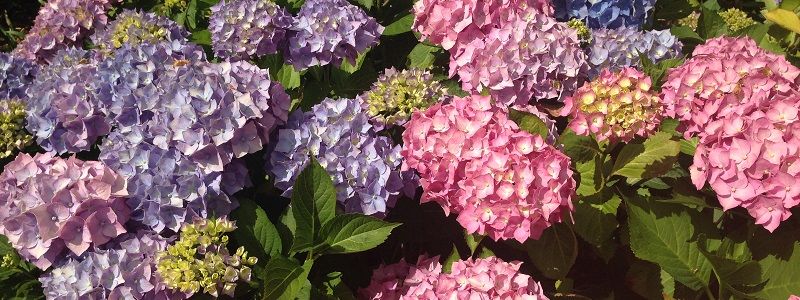
July is one of the most rewarding months in the garden. Borders are bursting with colour, vegetable plots are producing fresh crops almost daily, and long evenings provide the perfect opportunity to enjoy everything you’ve worked so hard to grow.
Although it’s tempting to simply sit back and admire the garden, a little regular maintenance throughout July will keep plants healthy, encourage more flowers, and ensure your garden looks fantastic well into autumn.
Water wisely
July is often one of the warmest and driest months of the year. Newly planted shrubs, trees and perennials need regular watering while they establish, and containers and hanging baskets may need watering every day during hot spells.
Water early in the morning or later in the evening to reduce evaporation. A thorough soak every few days is much better than a light sprinkle every day, as it encourages roots to grow deeper into the soil. Adding a layer of compost or bark mulch around plants will help conserve moisture and reduce the need for watering.
Keep flowering plants blooming
Many summer-flowering plants will continue producing flowers for weeks if you remove faded blooms regularly.
Dead head:
Removing spent flowers prevents plants wasting energy on producing seed and instead encourages fresh growth and more blooms. If your roses have finished their first flush of flowers, feed them with a balanced rose fertiliser after dead heading to encourage a second display later in the summer.
Feed hungry plants
Plants growing in pots quickly use up the nutrients available in compost.
Feed every week or two:
- Hanging baskets
- Patio containers
- Dahlias
- Tomatoes
- Cucumbers
- Peppers
- Courgettes
Liquid tomato feed is ideal for flowering and fruiting plants once flowers begin to appear.
Harvest vegetables regularly
July is one of the busiest harvesting months.
Keep picking crops as they become ready:
- Runner beans
- French beans
- Courgettes
- Cucumbers
- Tomatoes
- Beetroot
- Lettuce
- Salad leaves
- Radishes
- Potatoes
- Peas
Regular harvesting encourages many crops, particularly beans and courgettes, to continue producing throughout the summer.
Pick herbs often
Many herbs are now producing lots of fresh growth.
Harvest regularly:
- Basil
- Mint
- Thyme
- Rosemary
- Chives
- Parsley
- Sage
Frequent picking keeps plants compact and productive. Excess herbs can be frozen or dried for use during winter.
Support tall plants
Summer growth can be surprisingly fast.
Check supports for:
- Dahlias
- Delphiniums
- Sweet peas
- Tomatoes
- Runner beans
- Climbing roses
Strong winds and heavy summer showers can quickly flatten tall plants if they aren’t securely tied in.
Continue tying in climbing plants
Climbing plants often produce several feet of new growth during July.
Tie in new shoots of:
- Clematis
- Honeysuckle
- Climbing roses
- Jasmine
Spreading stems evenly over their support improves flowering and prevents plants becoming tangled.
Look after your lawn
If rainfall is limited, don’t worry if your lawn turns slightly brown. Established lawns usually recover once rain returns.
Raise the cutting height during dry weather to reduce stress and avoid removing more than one-third of the grass height at any one time. If conditions remain very dry, it’s usually better to leave the lawn slightly longer until cooler weather returns.
Weed little and often
Warm weather encourages weeds just as much as ornamental plants.
A quick hoe around borders every few days prevents weeds becoming established and stops them producing thousands of seeds for next year. Removing weeds while they’re still small is much easier than tackling large established plants later in the season.
Watch for pests and diseases
Inspect plants regularly for problems before they become serious.
Keep an eye out for:
- Aphids on roses and soft shoots
- Lily beetles on lilies
- Slugs and snails after rain
- Powdery mildew during dry weather
- Black spot on roses
Good air circulation, regular watering at soil level and removing affected leaves promptly all help reduce disease problems.
Keep containers looking their best
Containers are at their peak in July but require regular care.
Remove faded flowers, trim untidy stems and feed weekly to keep displays looking fresh. Popular summer container plants include:
- Geraniums
- Petunias
- Begonias
- Fuchsias
- Lobelia
- Bacopa
With regular attention they’ll continue flowering well into autumn.
Care for fruit plants
July brings some of the year’s best harvests.
Pick strawberries, raspberries and gooseberries as soon as they ripen. Net soft fruit if birds are helping themselves before you can. After harvesting strawberries, remove old leaves from established plants and keep them watered so they produce healthy runners and next year’s flower buds.
Keep tomatoes productive
Tomatoes grow rapidly during July.
For cordon varieties:
- Remove side shoots regularly.
- Tie stems securely to canes.
- Water consistently.
- Feed weekly once fruits begin to develop.
Consistent watering helps prevent problems such as fruit splitting and blossom end rot.
Trim hedges
Formal hedges such as privet, yew and box can usually receive a light summer trim during July to keep them neat. Avoid disturbing active bird nests before carrying out any hedge trimming.
Prune early summer shrubs
Once shrubs such as philadelphus and weigela have finished flowering, remove some of the oldest stems to encourage vigorous new growth and plenty of flowers next year.
Sow for late summer and autumn harvests
There’s still time to sow several quick-growing vegetables.
Good choices include:
- Lettuce
- Rocket
- Radish
- Spring onions
- Beetroot
- Spinach
Successive sowings every couple of weeks provide a continuous supply of fresh crops.
Divide bearded irises
Once flowering has finished, overcrowded bearded irises can be lifted and divided. Replant healthy young rhizomes in sunny, well-drained soil to encourage stronger flowering next year.
Plants looking particularly good in July
If you’re thinking ahead or want to fill gaps in your borders, these plants provide outstanding summer colour in UK gardens:
- Lavender
- Hydrangeas
- Dahlias
- Salvia
- Agapanthus
- Echinacea
- Rudbeckia
- Geranium Rozanne
- Buddleja
- Penstemon
These long-flowering favourites also provide valuable nectar for bees, butterflies and other pollinating insects.
Enjoy your garden
July shouldn’t be all hard work. Make time to sit outside, enjoy the colour, fragrance and wildlife, and appreciate everything you’ve grown over the past few months. A few minutes spent watering, feeding and dead heading every couple of days is usually all that’s needed to keep your garden looking its very best right through the rest of summer.